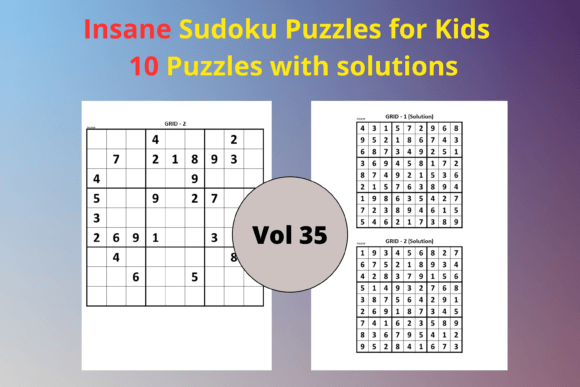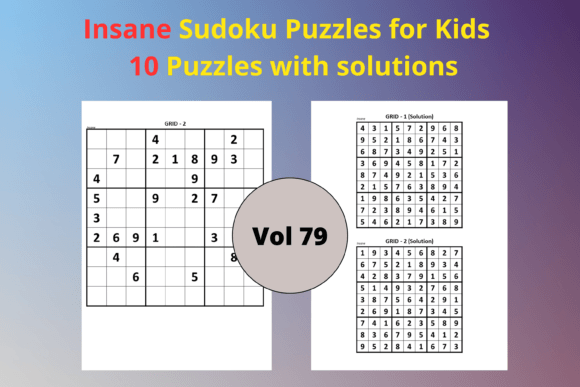
Easy Sudoku for Kids 79: A Practical KDP Interior Pack for Children’s Puzzle Books
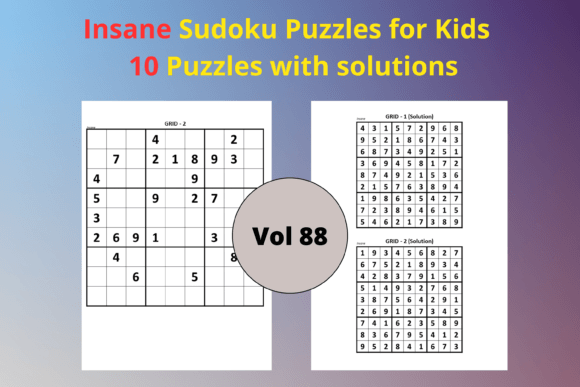
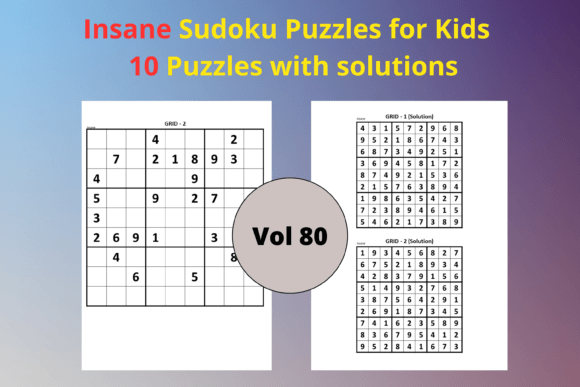
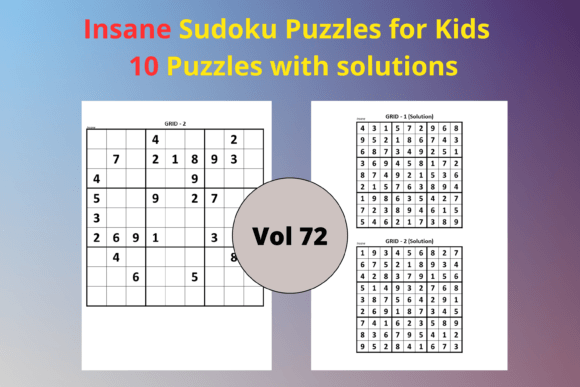
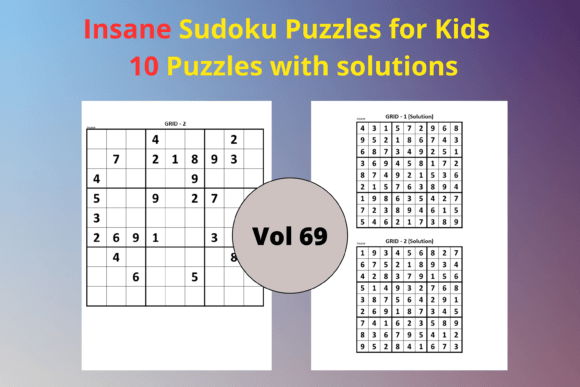
Creating printable puzzle content for children demands more than just a clever grid. Publishers, educators, and content creators often spend hours formatting, testing difficulty levels, and ensuring solutions are accurate before a single page goes live. Easy Sudoku for Kids 79 steps into this space as a pre‑built interior resource — a collection of ten 9×9 Sudoku puzzles with matching solutions, delivered in both ready‑to‑upload PDF and editable PPTX formats. For anyone building low‑content books, activity sheets, or supplementary classroom materials, understanding what this pack offers — and where it fits — can save time and reduce production friction.
What the Pack Includes and How It’s Delivered
The core of Easy Sudoku for Kids 79 is straightforward: ten beginner‑friendly Sudoku puzzles built on a standard 9×9 grid, plus ten full solution pages. The file package contains two formats — a print‑ready PDF and an editable PPTX file — both sized at 8.5 × 11 inches. This dual delivery is a practical choice; the PDF can be uploaded directly to KDP or sent to a print shop with minimal fuss, while the PowerPoint file gives complete editing control for those who want to add instructions, branding, or combine puzzles into a larger collection.
Each puzzle is designed at an easy difficulty level. The grids use basic elimination logic without advanced techniques like naked pairs or X‑Wing, making them suitable for young children who are just starting to understand Sudoku rules. Solutions follow each puzzle in a clean layout, usually placed immediately after the puzzle page so parents and teachers can quickly verify answers without hunting through the back of a book. This sequential arrangement also helps when the interior is intended for a coil‑bound workbook or digital screen use.
Assessing Puzzle Design and Usability for Young Solvers
A 9×9 grid for kids requires thoughtful presentation. The numbers and cells must be large enough for small hands writing with pencils or crayons, and the layout needs to avoid visual clutter. Based on the specifications, Easy Sudoku for Kids 79 uses a full‑page format per puzzle, which naturally provides generous cell sizing on an 8.5 × 11 inch sheet. That’s a strong usability point; cramped grids frustrate young learners and lead to smudged erasures. The easy difficulty ensures a gentle learning curve — most puzzles can be solved through simple scanning and counting, reinforcing number recognition and logical reasoning without discouraging complexity.
The downside, however, is the absence of thematic illustrations or character accents. While that might seem like a limitation, it actually aligns with the needs of a broad KDP interior. Plain, minimalistic designs make the pack more versatile; publishers can later layer clip art, borders, or instructions using the PPTX file without wrestling a heavily decorated background. As an evaluator, I see the clean design as a feature for creators who prefer to control aesthetics themselves, though absolute beginners hoping for a fully themed “kid‑friendly” look may need to invest additional design time.
Flexibility Through Editable PowerPoint Files
The inclusion of an editable PPTX file transforms Easy Sudoku for Kids 79 from a static download into a customizable asset. Users who work with Canva, Google Slides, or Microsoft PowerPoint can rearrange pages, insert introductory material, change fonts, or adjust margins. This flexibility is particularly useful for tutors and home‑school educators who want to create personalized puzzle packets with a child’s name on the header, or for Etsy sellers who need to add their shop logo before listing a printable product.
Because the puzzles themselves are already solved and verified, the editability focuses on presentation, not puzzle logic. That’s a reassuring detail — tampering with numbers could introduce errors, but most sensible users will leave the grids intact while customizing the surrounding elements. For KDP publishers, the PPTX serves as a behind‑the‑scenes tool: you can add an answer key page to the beginning, insert copyright notices, or even combine these ten puzzles with other puzzle types to create a hybrid activity book. The file behaves much like a blank canvas that already contains high‑quality content.
Practical Applications for Content Creators and Educators
Who actually puts a ten‑puzzle Sudoku pack to work? The use cases are more varied than they first appear. A common scenario involves KDP activity book creation: combining multiple small puzzle sets — mazes, word searches, color‑by‑number — into a larger 100‑page interior. Ten easy Sudoku puzzles can act as the logical reasoning segment of that book, and because they are already formatted to 8.5 × 11 inches, they align perfectly with standard trim sizes without extra scaling.
Teachers and homeschooling parents often need short, targeted brain breaks. A quick print of one or two puzzles from the PDF can fill a spare ten minutes while reinforcing concentration. Since the solutions are included, the material becomes self‑checking, which encourages independent learning. Similarly, children’s activity centers and waiting room coordinators can laminate the puzzle pages and use them repeatedly with dry‑erase markers. In these environments, the ease‑of‑access matters more than volume; a small, high‑quality batch often outperforms a bloated collection of mediocre grids.
Freelancers who create bespoke activity kits for birthday parties or summer camps will also find value. The editable PPTX allows them to embed a camp logo or event date, turning a generic Sudoku puzzle into a branded take‑home item. For digital product sellers on platforms like Gumroad or Teachers Pay Teachers, the pack can be bundled with a commercial use license (provided the original purchase terms allow it) and offered as part of a larger “printable brain games” listing.
Print Quality and Book Formatting Considerations
An interior pack aimed at KDP must respect print‑on‑demand margin requirements, especially for full‑bleed layouts. The 8.5 × 11 inch size is widely compatible, but smart publishers will still check whether the PDF leaves sufficient inner margin for a perfect‑bound book. Since Easy Sudoku for Kids 79 is sold as a ready‑to‑upload file, the seller likely accounted for safe zones; however, it’s a good practice to open the PDF in a previewer and confirm that no puzzle numbers drift into the gutter area when set up for a 6 × 9 or similar trim. If margins look tight, the editable PPTX version offers a fallback route to nudge content inward.
Print quality also depends on the line weight used for grid borders. Children need distinct, bold lines to separate sub‑grids, and faint lines can make the puzzle confusing. A quick on‑screen review will reveal whether the PDF’s vector elements hold up when printed on standard inkjet or laser printers. Assuming the seller designed with commercial printing in mind, the output should be crisp; but it’s a detail worth verifying before publishing under your own brand.
Who Will Benefit Most from This Resource
This resource speaks most directly to three groups. The first is KDP publishers building low‑content or medium‑content activity books who want to accelerate interior creation without outsourcing puzzle design. Ten puzzles is a manageable block that can be dropped into a larger manuscript without overwhelming the book’s balance. The second group includes educators and therapists who need simple, ready‑to‑print brain exercises. The easy level matches the cognitive abilities of kindergarten through second‑grade students, and the included solutions make the material practical for one‑on‑one sessions. Third, freelance designers and content creators who sell printable packs on Etsy or similar marketplaces benefit from the dual format: the PDF serves as a quick‑list product, while the PPTX allows for value‑added customization when clients request personalized items.
Parents who occasionally print puzzles for home use will also find the pack helpful, though they might be better served by a larger collection if they need more variety over time. For them, the value lies in the clean layout and age‑appropriate difficulty rather than volume.
Potential Limitations to Keep in Mind
No resource is without constraints. The most obvious is the limited puzzle count. Ten puzzles provide a short activity session — suitable for a mini‑book or a supplement, but insufficient for a standalone Sudoku workbook marketed as a full product. Publishers who attempt to sell a ten‑page interior as a complete book on KDP will face customer expectations for more content; a common workaround is to combine multiple similar packs or to use this as a bonus section within a larger book.
The fixed easy difficulty is another consideration. While appropriate for young beginners, a book that never progresses to medium or hard levels may bore children who master the patterns quickly. This pack works best as part of a graduated difficulty sequence, not as the entire journey. Additionally, the lack of kid‑friendly decorative elements means the bare PDF might feel sterile for some buyers, though again, the PPTX file provides the editing power to overcome this.
There’s also a typical assumption that every KDP interior arrives perfectly formatted for Amazon’s print specifications. While this pack claims to be ready to upload, responsible users should always run through the Kindle Create or KDP previewer to catch any margin warnings, font embedding issues, or resolution flukes. The presence of an editable PPTX file, however, makes corrections feasible if needed — a net positive that partially offsets the risk.
Long‑Term Value and Strategic Use
Viewed as a base component rather than a finished product, Easy Sudoku for Kids 79 holds genuine long‑term value for repeat creators. Ten carefully constructed easy Sudoku grids can be repurposed across multiple projects — printed as homework sheets, compiled into a birthday activity book, converted into digital fillable PDFs, or even adapted for laminated wipe‑clean mats. Because the logic behind Sudoku is timeless, these puzzles won’t become dated, and the easy difficulty remains relevant as new cohorts of children reach puzzle‑solving age.
From a cost‑efficiency perspective, the pack saves approximately two to four hours of puzzle generation and formatting — time that a busy publisher or teacher can redirect toward marketing, illustration, or lesson planning. When combined with other low‑cost interior packs, the cumulative efficiency compounds, enabling faster creation of cohesive activity books without sacrificing quality control. The editable PPTX ensures that the resource stays adaptable, even as brand identities or classroom themes evolve.
For anyone who routinely needs child‑friendly Sudoku content in a print‑ready format, Easy Sudoku for Kids 79 provides a practical, tested starting point. The small puzzle count is both its main limitation and its strength — easy to integrate, simple to customize, and clear in scope. Understanding exactly where it fits into your broader publishing or teaching workflow will determine whether this specific pack becomes a go‑to asset or a one‑time experiment.