Easy Sudoku for Kids 80: A Practical Look at This KDP Puzzle Interior Pack
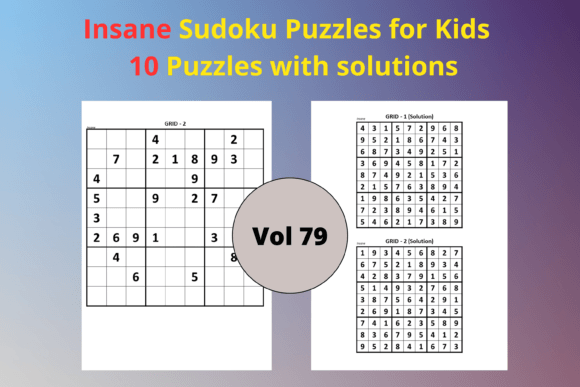
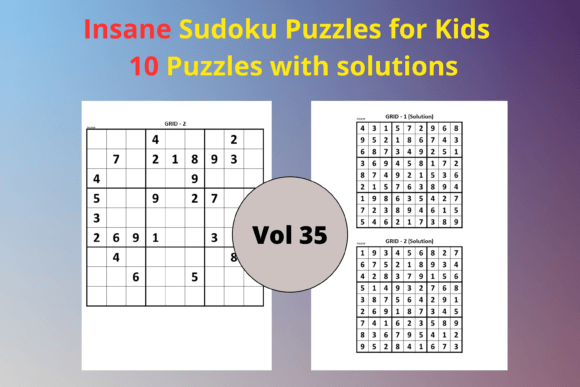
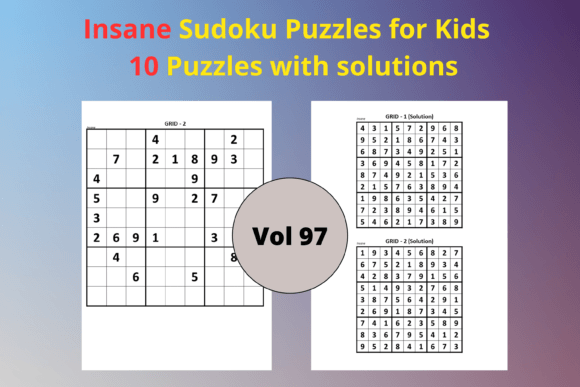
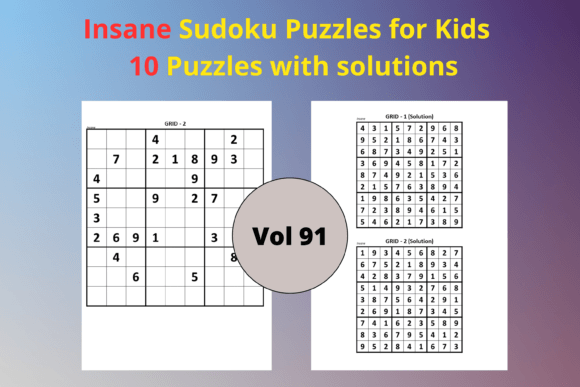
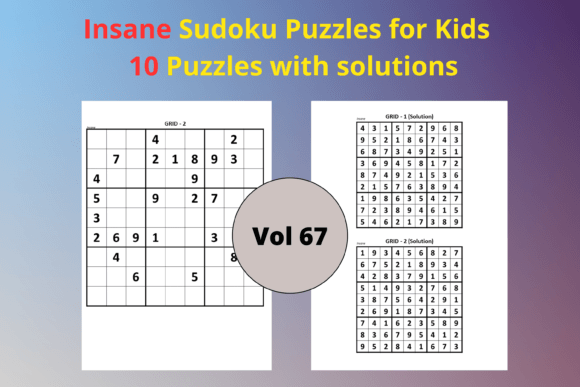
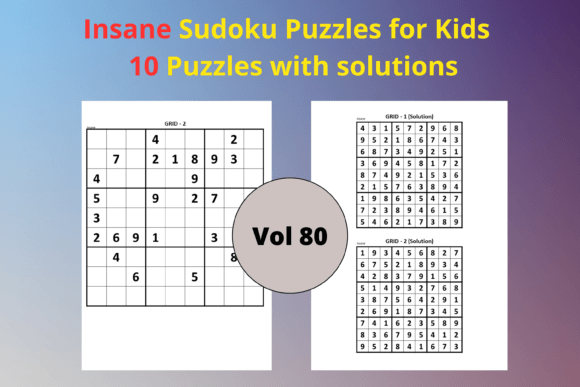
When you browse resources for creating children's puzzle books, you will quickly encounter a variety of ready-made interior files. Among these, Easy Sudoku for Kids 80 stands out as a compact pack that includes 10 different 9x9 Sudoku puzzles along with their solutions. Designed specifically as a KDP (Kindle Direct Publishing) interior, it comes as a PDF ready to upload and an editable PPTX file, sized at 8.5 x 11 inches. But what makes this particular set different from the dozens of other Sudoku collections available, and when might it be the right choice for your project? This article walks through the key characteristics, compares it with common alternatives, and helps you weigh the tradeoffs so you can make a more informed decision.
What Exactly Is Easy Sudoku for Kids 80?
This product is a puzzle interior pack built for low-content or medium-content book publishing. It does not include a cover, marketing materials, or instructions beyond the puzzles themselves. At its core, the pack offers:
- 10 distinct easy-level Sudoku puzzles, each presented on its own 9x9 grid.
- 10 matching solution pages, so children or parents can check answers.
- Two file formats: a print-ready PDF and an editable PPTX, giving you control over customization.
- Standard 8.5 x 11-inch trim size, the most common dimension for KDP puzzle books and activity pads.
The “80” in the name likely references a product code or collection identifier rather than the number of puzzles. The focus is squarely on a small, manageable set of beginner-friendly puzzles for kids. The easy level means that no advanced techniques are required—solving typically relies on simple scanning and logical elimination without needing pencil marks or candidate lists, making it genuinely accessible for children who are new to Sudoku.
How This Pack Compares with Other Sudoku Interior Options
Puzzle creators and KDP sellers commonly evaluate interiors based on several factors: puzzle count, difficulty range, format flexibility, and readiness. Here’s how Easy Sudoku for Kids 80 lines up against typical alternatives you might find.
Small Puzzle Count Versus Bulk Puzzle Packs
Many KDP interiors offer 100, 200, or even 500 puzzles in a single download. Those are ideal for building full-length books that keep buyers engaged for weeks. With only 10 puzzles, this pack is notably lean. That is not a flaw; it is a tradeoff. A small set can serve as a quick prototype, a sampler for a multi-book series, or an add-on inside a larger activity book that also includes mazes, coloring pages, or word searches. By contrast, if your goal is to publish a dedicated Sudoku book with enough content to justify a higher price point, a bulk pack would be a more fitting choice.
Single Difficulty Level vs. Graduated or Mixed Difficulty
All puzzles in this pack sit at an easy level. This makes the assortment highly focused. Children who are just learning Sudoku avoid frustration, and parents don’t have to pick through difficult grids. However, a kid who masters these first ten puzzles may quickly outgrow the book. Some interiors mix easy, medium, and hard puzzles within one volume to provide a progressive challenge. Others separate difficulty into separate book volumes. Easy Sudoku for Kids 80 sits firmly on the entry-level side. That clarity is useful for marketing a book explicitly as “My First Sudoku” or “Sudoku for Beginners Ages 6-8,” but less versatile if you want a single book that grows with the child.
Editable PPTX Format vs. PDF-Only Resources
The inclusion of an editable PowerPoint file sets this pack apart from many competitors that offer only a locked PDF. With the PPTX, you can:
- Add a border, clip art, or themed illustrations around the puzzle grid.
- Adjust margins, fonts, or number style to match a cohesive book design.
- Include introductory pages, instructions, or a personalized message before the puzzles begin.
- Combine the puzzles with other activities in a single interior file.
PDF-only packs save time because they require no editing, but they also limit your creative control. The dual-file approach here gives you a ready-to-upload backbone while preserving the option to customize.
8.5 x 11 Inches vs. Other Trim Sizes
This size works well for paperback workbooks on Amazon KDP. It gives plenty of room for large grids, big numbers, and small hands that are still developing fine motor control. Alternative interiors might use 6x9 inches (more like a pocket puzzle book) or 8x10 inches. The larger format is practical for kids’ activity books, but if you are targeting a travel-sized or miniature puzzle pad, this pack would need resizing—possible in PPTX, though careful to preserve grid proportions.
Strengths and Practical Advantages
Looking at this puzzle interior from a publisher’s perspective, several characteristics make it a sensible pick for certain scenarios.
Quick Time-to-Publish. With only 10 puzzles to format-check, combined with a print-ready PDF, you can upload a finished book interior in minutes. This reduces testing time if you are exploring the children’s Sudoku niche.
Easy Integration with Other Content. Because the set is small, it can serve as one component inside a larger “Fun Activity Book for Kids.” You might pair it with dot-to-dot pages, coloring sheets, and handwriting practice without bloating the page count excessively.
Lower Perceived Risk. If you are new to KDP or uncertain whether easy Sudoku for children will sell, starting with a short interior allows you to gauge interest before investing in a 200-puzzle volume. You can also use it to create a low-priced lead magnet or a bonus booklet.
Child-Appropriate Design Choices. Because it is marketed specifically for kids, the puzzle layouts tend to avoid tiny, cramped numbers. The 9x9 grid is standard but with an easy difficulty, the number of givens is usually generous, meaning less time staring at near-empty cells.
Limitations and When to Look for Another Option
No single interior pack fits every publishing need. Here are situations where Easy Sudoku for Kids 80 may fall short and what you might consider instead.
Need for a Higher Page Count. A 10-puzzle book with solutions will result in roughly 20 interior pages plus front/back matter. That is thin for a standalone paperback. Readers often expect at least 50–100 puzzles in a dedicated Sudoku book. If page count is a concern, you would need to either augment the book with other content or choose a larger puzzle collection.
Older Kids or Mixed Ages. An 8-year-old who has done Sudoku before may breeze through 10 easy puzzles in one sitting. For a more engaging experience, you might need a pack that includes medium or hard levels, or a larger quantity that allows a gradual difficulty curve. The pack’s name signals “for kids,” but within that category, age and skill range widely. A book labeled “Sudoku for Kids 8-12” might require more variety than this pack provides alone.
Commercial Differentiation. Because pre-made interiors are accessible to many publishers, using a small, popular pack exactly as-is could result in your book looking similar to others on the marketplace. The editable PPTX partially mitigates this by letting you apply original themes, but if you strongly value a unique puzzle set, commissioning custom puzzles or generating your own may yield better long-term differentiation.
Print Quality Control. While PDFs are generally print-ready, always check grid line thickness and number readability on a proof copy, especially with easy puzzles that may use larger fonts. The pack is designed for standard print, but minor tweaks may be needed depending on your chosen paper color and print trim.
Use Cases Where This Pack Is a Strong Fit
Understanding the ideal context helps you decide whether to add this interior to your resource library.
Activity Book Bundles. If you are compiling a multi-activity volume for children aged 5–8, easy Sudoku can be one section among many. Ten puzzles are enough to introduce the concept without overwhelming the book.
Freebie or Bonus Material. A short puzzle booklet makes an effective freebie for email list building or as a bonus download accompanying a larger product. The easy level ensures it appeals to a broad young audience.
Testing a Niche or Format. Before committing to a full puzzle series, you can publish a small Sudoku book to observe ranking keywords, customer reviews, and sales patterns. The low upfront effort reduces wasted time if the niche does not perform as expected.
Customizing with a Personal Touch. The editable PPTX enables you to add a child’s name, a classroom number, a themed character, or simple coloring elements, transforming a generic interior into something that feels personalized—useful for teachers, therapists, or parents creating small run books for personal use.
Decision Factors to Keep in Mind
When you evaluate Easy Sudoku for Kids 80 alongside alternatives, weighing these factors can clarify your next step.
- Project scope: Is this a standalone puzzle book, a section inside a larger book, or a sample?
- Editing capacity: Do you have the software and skills to comfortably use the PPTX, or do you strictly prefer a no-edit PDF?
- Audience skill level: Are the children likely to be absolute beginners? If yes, 10 easy puzzles may be adequate. If some have experience, the book could feel too short.
- Differentiation strategy: Can you add enough original elements through the editable file to make the book stand out in search results?
- Pricing expectations: A thin book often commands a lower price, which affects royalty calculations. Factor that into your profitability assessment.
Practical Tips for Using the Pack Effectively
If you decide this interior meets your needs, a few small steps can improve the final product. First, open the PPTX and consider increasing the puzzle grid cell size slightly for younger children who print more naturally in large strokes. You might add a “This puzzle belongs to:” page at the front to create a sense of ownership. The solutions pages can be placed at the back, but consider numbering the puzzles and mirroring those numbers in the solution section so a child can navigate without help.
Test the PDF on your home printer or order a single author copy before making the book live. Check that no content is cut off by margins and that grayscale printing retains clear contrast. If you plan to run Amazon ads or use A+ Content, the fact that puzzles are easy and child-friendly can be emphasized in lifestyle images showing a child solving with a pencil.
Finally, remember that the pack is a starting point. While it provides the foundational grids and solutions, how you package, position, and present them determines much of the book’s appeal. The interior is a tool, not a finished product. Your choice of cover, title, and description will bridge the gap between this ready-made content and a buyer’s expectations.
Comparing the Resource to Other Puzzle Types for Kids
Sudoku is just one puzzle format in a crowded children’s activity market. Some creators combine easy Sudoku with word searches, crosswords, or picture puzzles to appeal to different learning styles. In those cases, a 10-puzzle Sudoku component may be exactly right—enough to say “Includes Sudoku!” without overwhelming the overall mix. If, however, your buyer persona is a parent specifically searching for “easy Sudoku book for kids,” they likely expect a dedicated book with many puzzles. The pack could still be used, supplemented with additional puzzles from another source, but you would need to ensure consistent formatting across the whole book.
There is also the question of 4x4 or 6x6 Sudoku for very young children. Some beginners start on smaller grids before moving to 9x9. This pack assumes the child is ready for a standard grid but at an easy difficulty. If your target age is 4–5, a 4x4 Sudoku interior might be a more developmentally appropriate alternative.
Where Easy Sudoku for Kids 80 Fits in a Larger Publishing Strategy
In a catalog of puzzle books, this interior could serve as the entry-level title. You might later release a “Volume 2” with medium difficulty, or bundle multiple easy sets into a single collection. Because you can edit the PPTX, you can maintain a consistent brand look across volumes, even if the underlying puzzles change. This approach allows gradual scaling without the need to learn puzzle generation software immediately.
Overall, Easy Sudoku for Kids 80 is a purposefully modest resource. It prioritizes immediate usability, beginner accessibility, and editing freedom over high puzzle volume or difficulty progression. For creators who value a lightweight, low-commitment option—or who intend to blend Sudoku into a larger activity compilation—it delivers exactly what it promises. For those building a full, stand-alone Sudoku book meant to occupy a child for many hours, additional content or a different interior would be necessary. By matching your project’s specific scope and your target reader’s expectations with the pack’s characteristics, you can make a choice that supports both your publishing timeline and your audience’s experience.