Easy Sudoku for Kids 44: Building Focus and Pattern Recognition Through Simple Play
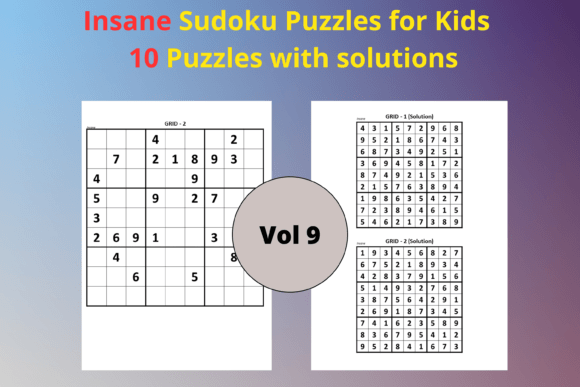
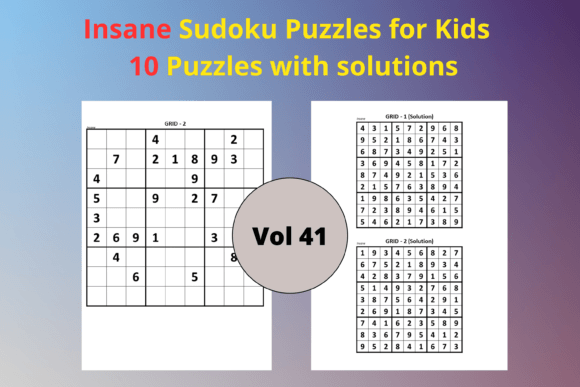
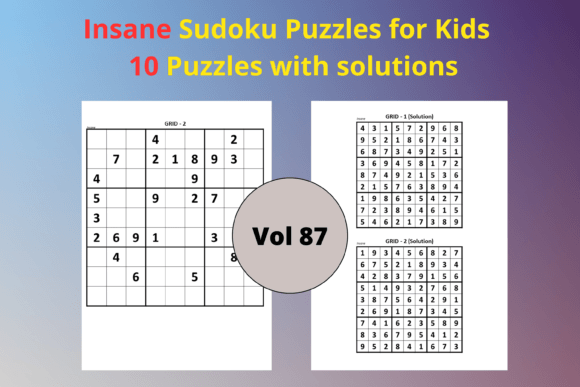
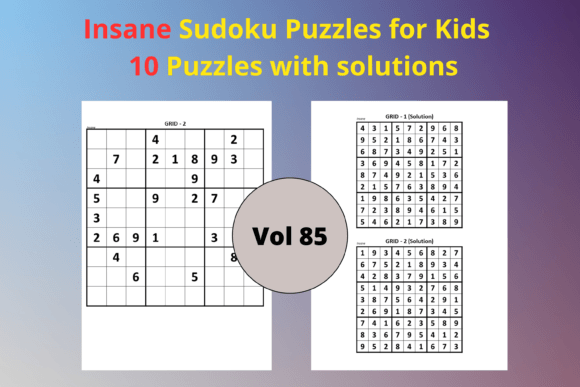
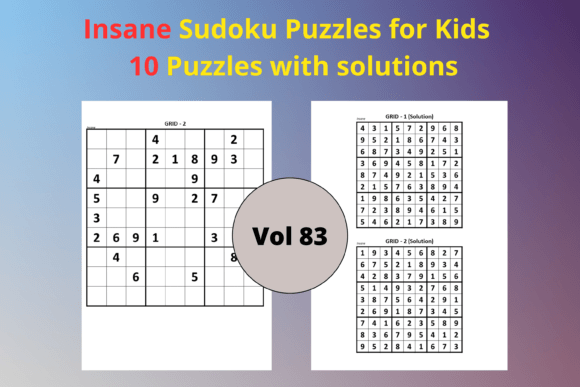
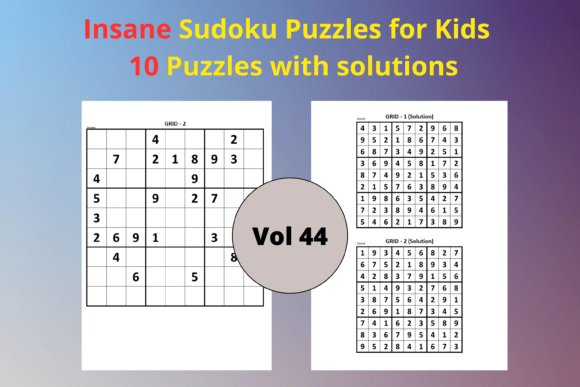
Finding the right balance between screen time and quiet, mind-engaging activities has become a subtle but persistent challenge for parents, educators, and anyone designing resources for children. Easy Sudoku for Kids 44 steps directly into that space, not as a flashy app or a subscription service, but as a thoughtfully prepared collection of 10 printable 9x9 Sudoku puzzles with solutions, calibrated at an easy level. It is, at its core, a KDP interior pack—a set of clean, ready-to-upload puzzle pages and an editable source file—that lets you publish a full activity book without starting from scratch. What makes it particularly interesting right now is how it intersects with a few quiet but steady shifts in the way people think about learning tools, side-income projects, and even the texture of everyday childhood routines.
Why a Simple Sudoku Pack Still Matters in a Digitally Saturated Moment
The conversation around children’s activities has changed noticeably over the last few years. While interactive learning apps and gamified platforms continue to thrive, a growing number of families and educators are deliberately carving out time for analog, paper-based puzzle work. It is not about rejecting technology; it is about layering experiences. Sudoku, especially at an easy level, offers something that a swipe-and-tap interface rarely replicates: sustained, low-stakes concentration on a single visual grid.
Easy Sudoku for Kids 44 arrives at a moment when this kind of focus is increasingly valued. Parents are not looking for another hyper-stimulating digital toy. They are looking for materials that encourage a child to sit with a pencil, scan rows and columns, and experience the small but genuine satisfaction of placing the correct number. The pack’s design—10 distinct puzzles, each paired with its solution—keeps the commitment manageable. It is not a sprawling 200-page workbook that might overwhelm a beginner. It is a compact, day-by-day resource that a child can return to without fatigue.
The Merge of Creative Practice and Lean Product Creation
For entrepreneurs, KDP sellers, teachers who create their own classroom materials, and designers who want to serve the homeschool market, the practical appeal runs deeper. Creating a Sudoku activity book from the ground up involves more than just generating puzzles. Layout, consistent sizing, solution placement, and the daily friction of formatting for print all add time that could be spent on other projects. This pack eliminates that friction by delivering a PDF file ready to upload and a fully editable PPTX file.
In a small-business context, that editable PPTX is quietly powerful. It means you can change the title page, add your own branding, adjust the instructions to match your audience’s language, or even combine these pages with other interiors to build a larger book. The puzzles remain the same structurally sound 9x9 grids, but the surrounding presentation becomes entirely yours. It sits at the curious intersection of creative control and time efficiency—two things that solo creators and small teams constantly try to balance.
What Easy Level Really Means for a Child’s Experience
The term “easy” can be misleading if we do not unpack it. Easy Sudoku for Kids 44 uses 9x9 grids, the classic format, but the given numbers are placed in a way that simplifies the logical path. A child does not need to hold multiple complex chains of deduction in mind simultaneously. Typically, an easy Sudoku lets the solver fill in a missing number by checking just one or two intersecting rows and columns. The next logical step is often visible without guessing.
This matters because early experiences with logic puzzles shape a child’s willingness to persist. If a puzzle is too difficult too soon, the child internalizes that “this is for smart people” and walks away. An easy puzzle, by contrast, builds a quiet confidence. Over ten puzzles, a child begins to recognize patterns—how a digit’s placement in one 3x3 box restricts its possibilities in another. These are foundational problem-solving habits that extend well beyond the puzzle page. The pack includes 10 solutions so that an adult can quickly check work or, better yet, sit with the child and walk through a completed grid together, turning a moment of possible frustration into a shared teaching point.
The Practical Anatomy of the Pack: PDF, PPTX, and Trim Size Logic
Let’s look at the physical and digital specifications, because they directly influence how the product is used, not just bought. The pages are set at 8.5 x 11 inches, the standard letter size that dominates the activity book market on Amazon KDP and in printable educational resources. There is no awkward scaling to worry about. The PDF file is print-ready: margins are consistent, puzzles are centered, solution pages follow in a logical order. You can upload it directly to your KDP dashboard and have a live listing within a day, assuming your cover is ready.
The PPTX file is the editable counterpart. This is where the pack shows its value for someone who needs to make small but meaningful adjustments. Perhaps you want to add a “This book belongs to” page at the beginning, or insert a simple instructions page using a font that matches your series. Maybe you want to repurpose the puzzles for a classroom handout, not a book, and need to remove page numbers. An editable format turns a static resource into a flexible asset. This dual-file approach reflects how modern creators actually work: they want speed, but they do not want to be locked into a rigid template.
How a Puzzle Pack Fits into Broader Lifestyle and Habit Shifts
There is a noticeable drift toward what might be called intentional quiet time. Families are building small rituals: Sunday mornings with a puzzle page, after-dinner logic games, travel-friendly activity kits that do not rely on battery power. Easy Sudoku for Kids 44 fits into these rituals naturally because it is low-prep. Print today, hand a page to a child with a blunt pencil, and let them work through it while dinner finishes. For a freelancing parent who needs twenty minutes of uninterrupted focus, having a small stack of pre-printed puzzles on hand can be a surprisingly practical tool. It is not overstating to say that a well-designed interior pack can support the rhythm of a household.
Educators are also looking for resources that serve multiple purposes without demanding extra screen time. A set of easy Sudoku puzzles can function as a morning warm-up, a center rotation activity, or a take-home packet. Because the pack includes exactly ten puzzles, it maps neatly onto a two-week cycle: one puzzle per school day, with solutions for quick self-checking. That alignment with real-world scheduling makes it more than just a digital download; it becomes a plug-and-play instructional component.
Avoiding the Hype: What This Pack Will and Won’t Do
It is important to speak plainly. Easy Sudoku for Kids 44 is not a magic confidence-builder that transforms a struggling student overnight. It is not a comprehensive math curriculum. It will not automatically rank on the first page of Amazon search results without your own keyword research, a well-designed cover, and a relevant book description. What it does is remove a specific piece of friction. It hands you a clean, professionally formatted set of puzzles that have been purpose-built for children at an easy level. The number of puzzles—ten—is deliberate. It is enough to create a satisfying standalone mini-book or to act as a chapter within a larger compilation.
The claim of being “easy” is genuinely useful here because it targets a demographic that is often underserved in the puzzle book space: children who are just beginning to read numbers and understand the concept of a grid. Many Sudoku books labeled “for kids” still include puzzles that require intermediate strategies. This pack keeps the difficulty anchored, with givens placed so that a child can solve each grid by straightforward scanning and elimination. That consistency across all ten puzzles builds trust with the parent or teacher who previews the pages before handing them over.
For the KDP Creator: Why a Small, Focused Interior Wins
From a market perspective, activity book buyers often look at the quality of sample pages. A book that promises 100 puzzles but shows poorly spaced grids with tiny numbers can lose a sale instantly. A smaller pack, well presented, can actually communicate higher quality. When you list a book built from Easy Sudoku for Kids 44, the interior you show in the “Look Inside” feature presents clean, generously proportioned 9x9 grids, large enough for a young child’s pencil marks. The solution pages are clear and easy to flip to, which gives parents confidence that they can quickly verify answers without straining their eyes.
The editable PPTX file also opens up possibilities for series branding. You might take the core ten puzzles and release them as a seasonal version: “Easy Sudoku: Spring Edition” with a few adjusted page borders or a themed title page. Because the underlying puzzle data is sound, you can iterate without spending hours on layout. This kind of agile repurposing is exactly how many successful low-content publishers build a catalog without burning out on repetitive formatting tasks.
Real-World Observations on Children and Puzzle Engagement
In homes and classrooms where these puzzles are actually used, a few patterns emerge. Children tend to want to do “just one more” when the difficulty is right. An overly hard puzzle ends the session; a well-tuned easy puzzle extends it. The solutions at the back of the pack can be offered proactively or kept by an adult. Some children enjoy the ritual of checking their own work and putting a small star or sticker on the page. That small loop—solve, check, mark—creates a sense of ownership over the process.
Another observation: the 9x9 grid size is iconic. Children see it and recognize it as a “real” Sudoku, unlike the 4x4 grids often given to preschoolers. That perception qualifies the activity as a step toward more grown-up puzzles, which can be surprisingly motivating. The pack’s easy level ensures they succeed at that “real” format early, setting up a positive association that often carries into a genuine interest in logic and number puzzles later on.
Recommendations for Getting the Most from This Pack
If you are using Easy Sudoku for Kids 44 to publish on KDP, a few grounded suggestions can help. First, consider adding a brief parent or teacher note at the beginning, using the editable PPTX. A simple paragraph that explains the easy difficulty and suggests letting the child work independently before checking solutions can add a warm, personal tone. Second, print a physical copy for yourself before publishing; seeing how the puzzle pages feel on standard 8.5 x 11 paper helps you evaluate spacing and margin decisions. Third, pair this interior with a clean, uncluttered cover that signals “kids” and “easy” visually—think large, friendly numbers, soft colors, and a subtitle that makes the age range or difficulty clear.
For personal use, printing on slightly thicker paper can make erasing mistakes less frustrating for young fingers. Some families keep the solution pages in a separate folder so the child does not accidentally peek. Others laminate a few puzzles and use a dry-erase marker, turning the pack into a reusable resource that travels well. These are small adaptations, but they reflect the flexibility that a simple, well-structured puzzle set enables.
The Quiet Staying Power of a Well-Made Printable
Technology will keep evolving, and the tools for creating interactive content will grow more sophisticated. Yet there is a reason that printable puzzles remain a steady category. They do not require updates. They do not need Wi-Fi. They work as well in a minivan on a long drive as they do at a kitchen counter. Easy Sudoku for Kids 44 taps into that enduring utility while also serving the modern creator who values editable assets and instant uploadability. It is a small product, but its practical design—ten puzzles plus ten solutions in two file formats at the right trim size—makes it exactly the kind of resource that slots cleanly into someone’s workflow, whether that workflow involves publishing a first KDP book or simply preparing a week of screen-free activities for a child.
The decision to keep the puzzles at an easy level and to limit the count to ten reflects an understanding of the audience. Children need wins. Parents need low-prep solutions. Creators need interiors they can trust to look professional without extensive tweaking. When those needs intersect, a humble Sudoku pack becomes something genuinely useful, not just a file sitting in a downloads folder. And in a culture that is slowly relearning the value of focused, unplugged attention, that usefulness is more relevant than ever.