Easy Sudoku for Kids 27: Smarter Decisions Before You Publish Your Next Kid’s Activity Book
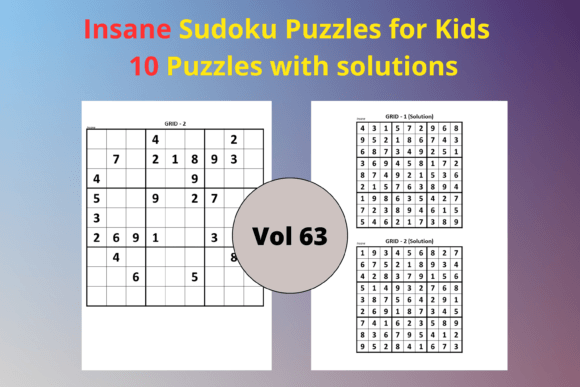
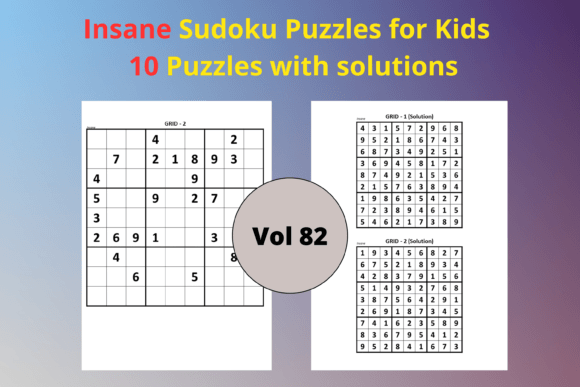
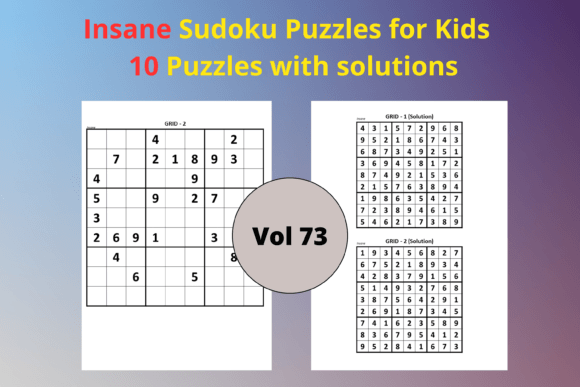
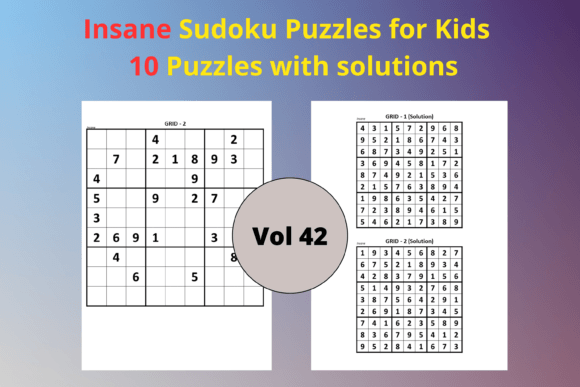
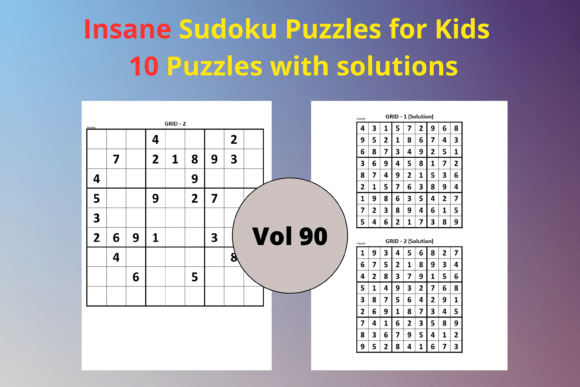
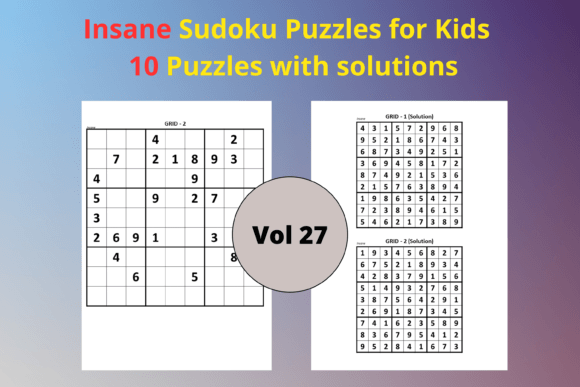
Sudoku for children seems simple on the surface—just a few numbers and a grid. But when you’re packaging a KDP interior, small oversights turn a promising resource into a frustrating experience for buyers and their kids. Easy Sudoku for Kids 27 is a carefully assembled pack of 10 easy 9x9 Sudoku puzzles and their matching solutions, delivered as a ready-to-upload PDF and an editable PPTX file, all in 8.5×11 inch trim size. It’s designed to save you time, but only if you use it with a clear picture of what can go wrong and how to sidestep that.
Many publishers, teachers, and side-hustle creators jump at a low-cost puzzle interior, upload it to Amazon KDP, and wait for sales. Then they discover that the puzzles are too hard for the promised age group, the solutions don’t match, or the formatting cracks on certain devices. Understanding a few core principles transforms this from a gamble into a reliable asset. Let’s walk through the practical side of choosing, testing, and applying a set like this so your work reaches young solvers without hidden friction.
Overlooking the True Meaning of “Easy” in Kids’ Sudoku
The word easy gets tossed around so often that it loses meaning. In a children’s puzzle book, an easy 9x9 Sudoku should have a large number of given clues, no need for advanced scanning techniques, and a solving path that a 6- to 9-year-old can follow without constant adult help. Yet some interiors label themselves “easy” while packing puzzles that require intermediate strategies, suddenly discouraging a beginner.
When you pick Easy Sudoku for Kids 27, you receive puzzles that truly sit at a gentle difficulty. Still, you should do a gut check: solve one or two yourself as if you were the child. Time how long it takes a reasonable adult to whiz through—if it’s taking you more than a couple of minutes, imagine a second grader staring at it. This doesn’t mean the puzzles are wrong; it means not all providers calibrate their difficulty the same way. A quick test safeguards your brand’s promise. If a puzzle feels borderline, you can always soften the instrucitons page in the editable PPTX to offer a hint strategy, but the core puzzles here are consistently gentle.
Trusting the Solution Pages Without Verification
This mistake is more common than it should be. Creators upload a complete PDF, solutions and all, and only after a poor review do they realize one solution digit is off. A single mistake in a kids’ activity book is enough to erode trust with parents who rely on correct answer keys.
With 10 puzzles and 10 solutions, Easy Sudoku for Kids 27 keeps the batch manageable. Before you hit publish, take 15 minutes to work through each puzzle manually—or better, have a fresh pair of eyes check the solutions against the original grids. You can even print the pages and use a pencil, mimicking the customer’s experience. This step confirms that everything aligns. If you want to go further, open the PPTX file, overlay the solution numbers next to the puzzle, and spot-check. It’s a small habit that prevents big embarrassment.
Assuming All PDF Files Are Print-Ready by Default
A PDF labeled “ready to upload” can lull you into skipping the technical review. KDP’s print process requires specific margins, no bleed for interiors (unless your design intends color to the edge), and fonts embedded or outlined. Even if the file opens beautifully on your screen, a misregistered margin can shift content toward the binding or cut off edges.
When you download the Easy Sudoku for Kids 27 PDF, open it in a program like Adobe Acrobat or a similar reader and inspect the document properties. Check that the page size is exactly 8.5×11 inches, not a scaled approximation. Look at the inner margin—make sure it isn’t too narrow such that text slips into the gutter. Because this interior uses a standard layout, the heavy lifting is done, but you should still scroll through each page to ensure nothing drifted during the conversion. This one habit saves rejected proofs and resubmission delays.
Neglecting the PPTX File as a Customization Goldmine
Many beginners treat the editable PPTX like a backup—nice to have, but never opened. That mindset discards a major advantage. With the PowerPoint file, you can tweak the puzzle arrangement, add your branding, insert helpful hints, or even adapt the difficulty by modifying a few given numbers before regenerating the PDF. Want to add a “star” reward system or a simple border that matches your cover? That’s all possible without rebuilding from scratch.
However, a common misstep is editing without a structured plan. People change font sizes, shift boxes, then export a PDF that breaks alignment. The better approach: work on a duplicate file, keep grid lines intact, and export a test PDF early to see how it prints. If you only need tiny adjustments—like adding page numbers or a small footer—stick to those and leave the puzzle regions untouched. This way, the clean structure of Easy Sudoku for Kids 27 remains stable, and you still enjoy the flexibility of an editable format.
Ignoring the Trim Size When Planning Your Book Series
An 8.5×11 inch interior works wonderfully for young children; the large grids give small hands room to write. But if your other activity books are 6×9 inches or a square format, suddenly inserting this size creates an oddball in your catalog. That disjointed offering can confuse customers about what’s inside, and it may feel inconsistent on a series page.
Think about your entire product line before you commit to a single size. For many kids’ puzzle books, 8.5×11 is a sweet spot, especially when you pair it with a matte cover that suggests a workbook feel. Easy Sudoku for Kids 27 matches that expectation. If you later decide to bundle it with other interiors, keep the dimensions consistent or explicitly market it as a jumbo edition. Clarity in your description prevents returns from buyers who expected a compact travel-size option.
Publishing Without a Realistic Test Print
Viewing a PDF on a backlit monitor hides subtle contrast issues. A light gray line might look crisp on screen but vanish on creme paper. With Sudoku, grid visibility is everything. A child shouldn’t have to squint to see which cell belongs to which 3×3 block.
Order a single author proof from KDP before you go live. Use the standard paper you intend for the final book, usually white or cream. Flip through, write in a few cells with a pencil—does the paper hold up or does it smudge easily? Does the grid print sharply? With Easy Sudoku for Kids 27, the source files use clear, dark linework, but any interior can behave differently depending on the printer’s calibration. That proof copy costs a few dollars and gives you confidence or a nudge to thicken the lines in the PPTX before final submission.
Skipping a Clear Age and Skill Signal in Your Book’s Metadata and Description
The interior itself might be flawless, but if your Amazon listing targets “all ages” or remains vague, parents hesitate. They want to know if this book suits a six-year-old or a ten-year-old. The puzzles are easy 9x9, which typically fits kids who have moved beyond the 4×4 grids and want a real challenge without getting stuck. But you need to say that plainly.
In your description, mention the puzzle size, the approximate grade level, and the expectation that an adult may only need to explain the rules once. You can even include a phrase like “large print grids for young solvers” to reinforce the design. Using the product title naturally, such as “Easy Sudoku for Kids 27: 10 Large-Print Beginner Puzzles with Solutions,” aligns buyer expectations with what’s actually inside. This honest framing cuts down on returns and encourages positive reviews from families who found the perfect match.
Forgetting to Leave White Space and Breathing Room
Kids’ activity pages can become visually overwhelming if every inch is packed. The Easy Sudoku for Kids 27 pack keeps the layout spacious, but as you customize, you might be tempted to add decorative elements, headers, or extra instructions that crowd the grid. Too many visual elements near the puzzle distract young solvers, and some may skip the page altogether.
Preserve the margins. If you introduce illustrations, keep them outside the immediate puzzle area or place them on a facing instruction page. The editable PPTX lets you insert simple icons—maybe a small pencil graphic or a gentle “Good job!” callout—without compromising clarity. A balanced page looks professional and helps children focus. The eye should go straight to the top-left cell of the Sudoku grid, not bounce between competing elements.
Relying on a Single Set of Puzzles for a Full Book
Ten puzzles won’t fill a typical activity book, and that’s intentional. This set works as a chapter within a larger compilation or as a short standalone puzzle collection if you price it accordingly. The mistake is stretching it into a 100-page book with excessive filler or white pages, which irritates buyers who feel shortchanged. Instead, pair Easy Sudoku for Kids 27 with other puzzle formats—mazes, word searches, spot-the-difference—or scale up by combining multiple Sudoku packs at a graduated difficulty. This way you build a rich, varied interior that holds a child’s attention for more than one afternoon. Your editorial choices decide whether the final product feels like a thoughtful gift or a rushed cash-grab.
Not Leveraging the Solutions Section as a Teaching Tool
Providing an answer key is standard, but you can do more than just slap solutions at the back. Children learning Sudoku benefit from seeing not just the completed grid but also a gentle hint if they get stuck. In the editable PPTX, consider adding a small “solving tip” next to each solution—something like “Look at row three: which number is missing?” Or simply label the solutions clearly so a child can flip back without frustration. This small touch turns a routine interior into a learning experience, and parents notice that extra care.
What to Check Before You Make a Final Decision
With so many low-content book interiors available, you might wonder if this particular set is worth your time. Run through a quick checklist before you commit any file to KDP. First, confirm the puzzles are 9×9 and genuinely easy by solving the first one. Second, open the PDF and PPTX on different devices to be sure they behave as expected—fonts don’t shift, grids stay aligned. Third, map out your book: if you need more puzzles, plan the additional content now rather than later, so the final page count makes sense. Fourth, consider whether the 10-puzzle format fits your pricing strategy; a short, budget-friendly puzzle book can work well, but you need to set expectations in the product title (e.g., “Sudoku for Kids: 10 Easy Puzzles with Solutions”).
Easy Sudoku for Kids 27 acts as a solid foundation, not an end-to-end product in every case. You bring the vision, and this interior brings the puzzle logic and clean formatting. When you approach it with the careful checks and strategic thinking described here, you’ll avoid the common traps that send creators back to the drawing board. More importantly, you’ll deliver a genuinely helpful, enjoyable book that young readers can complete with a sense of accomplishment—and that’s the kind of experience that earns repeat customers.