Engaging Young Minds: The Educational Power of Easy Sudoku Puzzles
In today's digital world, finding activities that are both entertaining and genuinely beneficial for a child's development can be a challenge. Parents and educators are constantly searching for resources that stimulate young minds without relying solely on screens. One classic, time-tested tool has proven remarkably effective: the Sudoku puzzle. Specifically, easy-level Sudoku puzzles, designed with children in mind, offer a unique blend of fun and cognitive exercise.
What Makes Sudoku Perfect for Kids?
At its core, Sudoku is a logic-based number placement puzzle. The traditional 9x9 grid is divided into rows, columns, and smaller 3x3 boxes. The objective is simple: fill the grid so that each row, each column, and each 3x3 box contains all of the digits from 1 to 9, without any repetition. For adults, this can be a challenging brain teaser, but for children, an easy Sudoku puzzle simplifies this concept.
Easy-level puzzles, such as those found in collections like Easy Sudoku for Kids 94, start with many numbers already placed in the grid. This provides a clear scaffolding for the child. They aren't faced with a near-empty grid that might feel overwhelming. Instead, they have a helpful starting framework that guides their logical deduction. This initial boost is crucial for building confidence and preventing frustration, turning a complex game into an achievable and satisfying task.
The Hidden Curriculum in a 9x9 Grid
While a child is happily filling in numbers, they are unconsciously practicing a suite of vital skills. Logical reasoning is the primary lesson. They learn to ask, "If this number is here, then it cannot be there." This process of elimination and deduction is a fundamental thinking pattern applicable to math, science, and everyday problem-solving.
Beyond logic, Sudoku enhances pattern recognition and concentration. Scanning rows and columns for missing numbers requires sustained focus and attention to detail. It also quietly reinforces basic number familiarity without the pressure of arithmetic. For kids who may be anxious about math, playing with numbers in this non-computational context can build a positive and relaxed association with numerical symbols.
Introducing "Easy Sudoku for Kids 94": A Ready-to-Use Resource
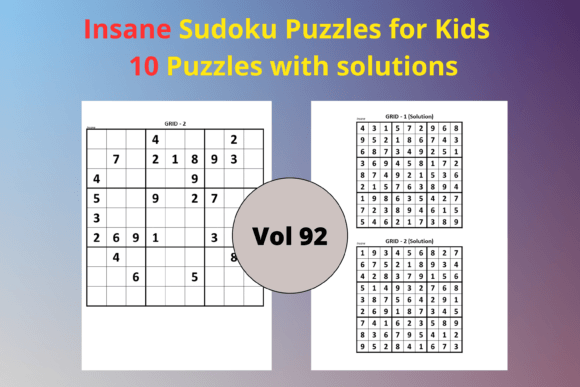
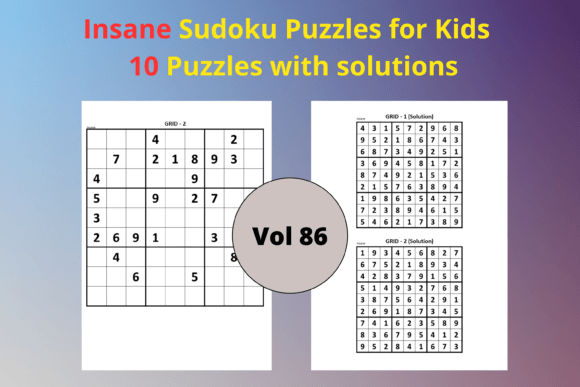
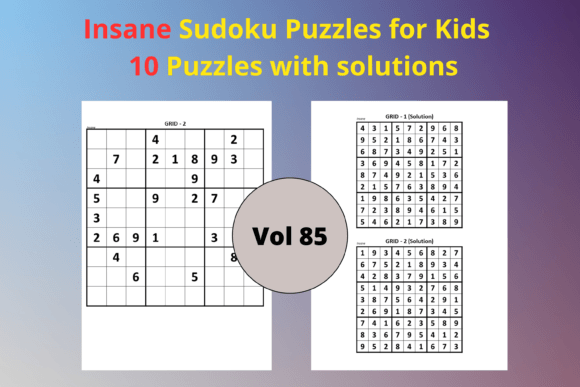
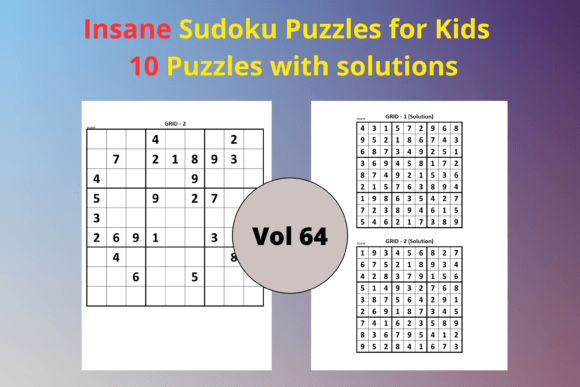
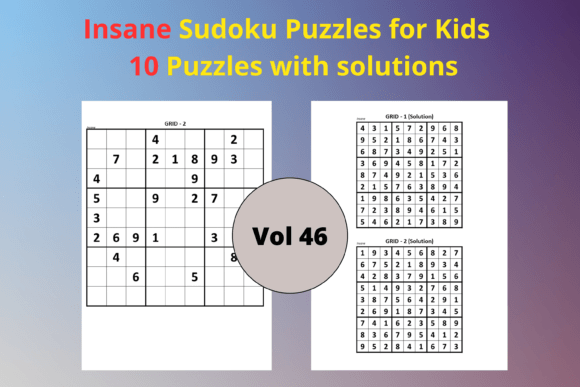
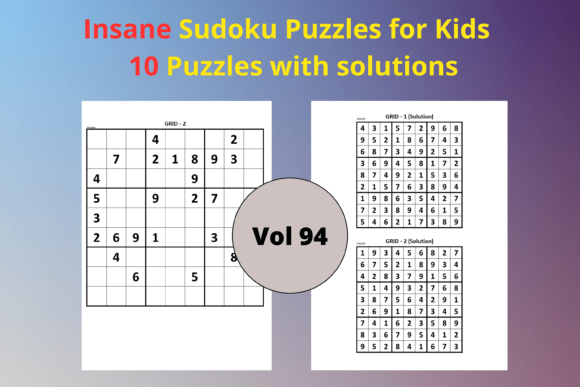
For creators, teachers, and parents looking for a high-quality, practical resource, a dedicated pack like Easy Sudoku for Kids 94 answers a specific need. This pack is designed not just as a book of puzzles, but as a versatile digital product ready for various uses. It contains 10 different easy Sudoku puzzles for kids, each accompanied by its clear solution.
The package is crafted as KDP (Kindle Direct Publishing) Interiors, meaning it's formatted specifically for publishing, whether as a physical workbook or a digital ebook. The practical specifications are tailored for ease: a standard 8.5 x 11 inch size, a print-ready PDF file for instant upload to platforms like Amazon KDP, and an editable PPTX file for those who wish to customize the puzzles, adjust difficulty, or incorporate them into other educational materials.
Having both a PDF and an editable PowerPoint file is a significant benefit. The PDF ensures perfect, consistent formatting for professional publishing. The PPTX file empowers educators to adapt the content—perhaps adding a child's name to a page, combining puzzles with other worksheets, or translating instructions. This dual-format approach makes Easy Sudoku for Kids 94 adaptable to home learning, classroom activities, or commercial publishing projects.
Where This Resource Fits into Modern Workflows
The design of this puzzle pack aligns perfectly with contemporary needs. For the busy parent, the ready-to-print PDF means no time spent designing grids or figuring out layouts. You can download and print a fun afternoon activity in minutes. For the educator building a lesson plan on logical thinking, the editable file allows for seamless integration into a broader curriculum packet.
For aspiring publishers on platforms like Amazon, the KDP-ready interior is a major time-saver. Formatting issues are one of the common hurdles in self-publishing. A resource that is already sized correctly, with clean margins and a professional layout, removes that technical barrier, allowing the creator to focus on marketing and distribution. This practicality turns a simple puzzle collection into a viable micro-business or a valuable addition to an existing educational product line.
Key Considerations When Choosing Sudoku Resources for Children
Not all Sudoku packs are created equal. When selecting a resource for kids, several factors are important to ensure a positive experience.
First and foremost is the difficulty level. "Easy" must truly mean easy. Puzzles should have a high number of pre-filled cells, guiding the child towards the solution with clear logical steps. A puzzle that is too difficult can lead to discouragement and abandonment of the activity.
The presentation and clarity of the puzzles are also critical. The grid should be large, clean, and easy to read. Numbers should be printed clearly. For very young children, some resources even use symbols or colors instead of numbers, but for the classic 9x9 puzzle, clarity is key. Including the solutions is not just a nice addition; it's essential. It allows for self-checking, provides a learning aid if the child gets stuck, and gives a sense of closure and accomplishment.
Finally, consider the versatility and format of the product. As seen with Easy Sudoku for Kids 94, having digital, editable files alongside print-ready versions maximizes utility. It allows the resource to be used in a classroom handout, a homeschool workbook, a published book, or even as content for an educational blog or website.
Building a Habit of Healthy Challenge
Incorporating activities like easy Sudoku into a child's routine promotes a healthy attitude towards challenges. It demonstrates that problems can be solved step-by-step with patience and thought, not just quick guesses. Completing a puzzle from a set like Easy Sudoku for Kids 94 provides a tangible, visual reward—a fully completed grid. This boosts self-esteem and can motivate a child to tackle the next puzzle, building a positive cycle of engagement and learning.
In an era where instant gratification is common, Sudoku teaches delayed gratification and the deep satisfaction that comes from personal intellectual effort. It's a quiet counterbalance to faster-paced games, encouraging mindfulness and focused play.
From Puzzle Page to Published Product
The journey of a resource like this from creation to use highlights a modern workflow. An author or educator designs a set of 10 puzzles and 10 solutions, ensuring they are genuinely at an easy level. They format them professionally for print (8.5 x 11 inches is the standard for many workbooks in the US). They then prepare the files: a locked PDF for distribution and an editable PPTX for customization.
This pack, Easy Sudoku for Kids 94, then becomes a multipurpose tool. A parent might print a few pages for a road trip. A teacher might incorporate the PPTX slides into a weekly "Brain Teaser" presentation for their class. An entrepreneur might upload the PDF to KDP and publish it as a standalone workbook, reaching a global market of parents seeking educational activities. This scalability from personal use to commercial product is a defining characteristic of well-designed digital educational resources today.
The underlying goal remains constant, regardless of how the puzzles are delivered: to provide children with a enjoyable, screen-free activity that sharpens their minds, builds their confidence, and introduces them to the rewarding world of logical thinking. And with a thoughtfully crafted pack of easy Sudoku puzzles, that goal is easily achieved.