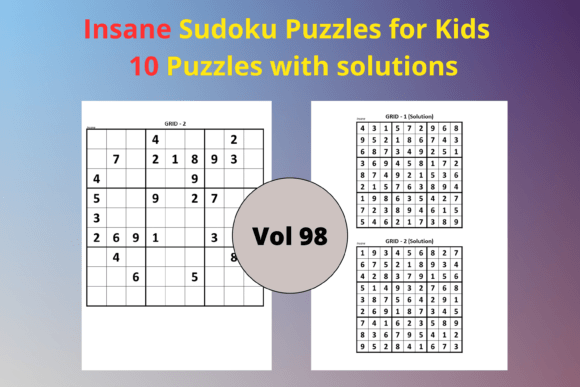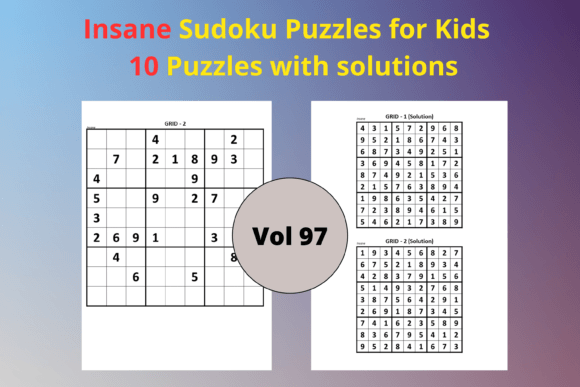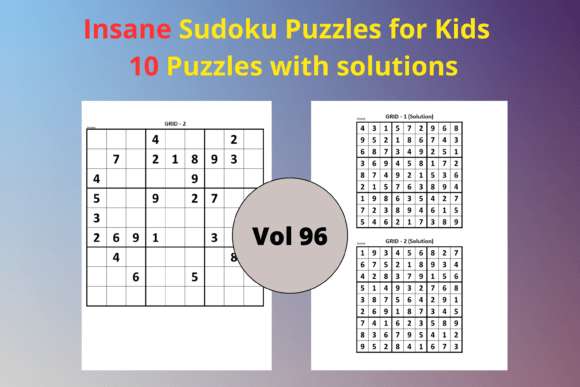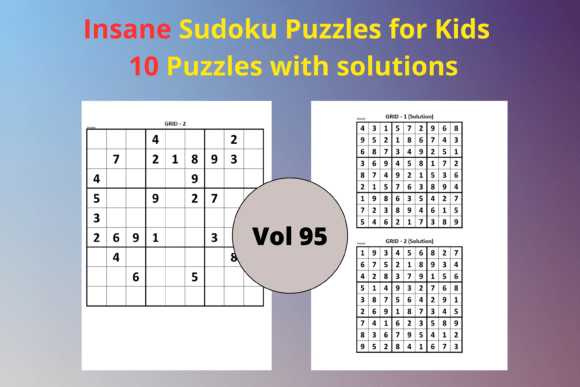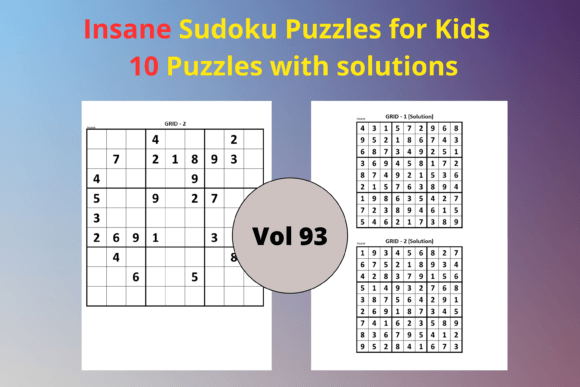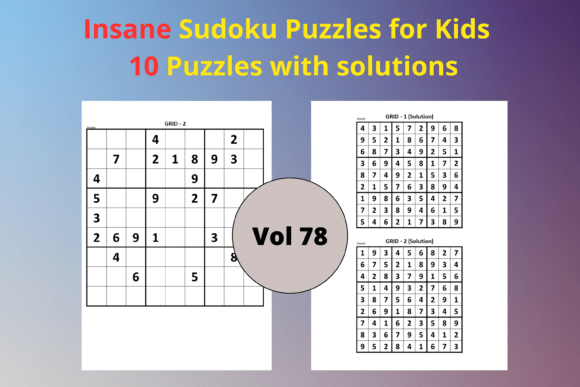
Easy Sudoku for Kids 78
Finding a ready-made puzzle interior that actually works for young children can be trickier than it looks. Easy Sudoku for Kids 78 is built exactly for that moment — a clean, 10-puzzle set with solutions, formatted for KDP upload, and sized to a familiar 8.5 x 11 inch page. It’s one of those small but practical packs that saves you from designing a kid-friendly activity book from scratch, whether you’re a self-publisher, a teacher looking for classroom printouts, or a parent creating a custom busy book.
But the simplicity of the product can also be a trap. Because it arrives as a neat PDF and an editable PPTX, many people jump straight to upload without considering a few details that can turn an otherwise solid interior into something frustrating — for kids and for the adults downloading it. The mistakes aren’t usually about the puzzles themselves. They happen in the use.
What This Pack Actually Contains — And What It’s Good For
Before diving into what can go wrong, it helps to know exactly what you’re working with. Easy Sudoku for Kids 78 includes 10 easy-level 9x9 Sudoku puzzles and 10 matching solutions, arranged one per page. The format is straightforward: no overcrowding, no tiny grids that small hands would struggle with, and no decorative clutter that interferes with solving. The PDF is press-ready, so it meets basic KDP specifications. The PPTX file gives you the freedom to tweak instructions, adjust the cover page, or even add a child’s name if you’re printing for personal use.
This is not a huge volume. Ten puzzles might seem like a starter pack, and that’s exactly the point. It’s for people who want to test a concept, create a mini activity book, or build a larger collection by combining several similar packs without committing to a 200-page interior before they’ve seen how it performs. Educators often use sets like this for weekly brain breaks. Parents use them as no-screen travel activities. KDP publishers bundle them into multi-pack puzzle books for seasonal or themed launches.
Overlooking the Difference Between “Easy” and “Actually Kid-Friendly”
A common misunderstanding is that easy Sudoku for adults will also feel easy for a six or seven-year-old. A 9x9 grid may be simple when you already understand elimination logic, but for a child new to Sudoku, even a puzzle with plenty of given numbers can be discouraging if the visual layout isn’t supportive. Easy Sudoku for Kids 78 uses the standard 9x9 format, so it’s intended for children who have moved past the 4x4 and 6x6 grids. That means the puzzles are appropriate for roughly ages 7 to 10, depending on experience.
When someone skips this age check and hands the same sheet to a kindergartener, the result isn’t “challenge” — it’s confusion. The child associates Sudoku with frustration rather than fun. Before printing or publishing, try one puzzle with a real child in your intended age range. Notice whether they need help reading the grid, whether the number size feels comfortable, and whether they can stay engaged for the solving time. This quick test tells you more than any difficulty label ever will.
Treating the Editable File as Optional Instead of Essential
The PPTX file is one of the most underused assets in packs like this. Many creators simply upload the PDF and never open the editable version. That’s a missed opportunity, especially for KDP interiors where small formatting mismatches can lead to negative reviews. The editable file lets you do things the PDF was never designed for: adjust margins for different bleed settings, insert a quick “How to Play” page written in kid-friendly language, or add a page number and a footer with the book title.
An even more practical use: if you’re combining Easy Sudoku for Kids 78 with other puzzle packs, open the PPTX and align the fonts, spacing, and header styles so the whole book feels cohesive. A child won’t notice inconsistent fonts, but a parent browsing the “Look Inside” feature on Amazon will. Cohesion signals care. Inconsistency signals a rushed low-content book, and in a competitive category, that perception difference matters.
Skipping the Solution Page Layout Check
The solutions in this pack are included one per puzzle, which is exactly what you want for kids — no need to flip back and forth through a dense answer key. But a layout mistake that surfaces often is placing solutions immediately after each puzzle without enough visual separation. A child solving Puzzle 3 may accidentally glance at the solution for Puzzle 3 on the next page if it’s too close or too visible.
In the PDF, the puzzles and solutions are already arranged, but if you reorder pages in the PPTX or merge multiple puzzle sets, be intentional about solution placement. Some creators prefer all solutions at the back of the book to prevent peeking. Others like the one-per-page approach but add a prominent “Solution” heading or a lightly shaded background behind answer pages to distinguish them. Both work, as long as the choice is deliberate. Test a printed page with a child — if they can spot the answer without turning the page, that’s a problem that reduces the value of the puzzle.
Assuming All Easy Puzzles Provide Equivalent Satisfaction
Not all easy Sudoku puzzles are built the same way. Some are easy because many numbers are pre-filled. Others are easy because the logical patterns are straightforward — only naked singles, no hidden pairs needed. The Easy Sudoku for Kids 78 puzzles lean on clearer logic chains, which is ideal for building confidence. When a child solves a puzzle using a simple scanning technique and feels clever, they’re more likely to attempt the next one.
If you’re evaluating this pack against other “easy” kid Sudoku sets, print one puzzle from each and compare the solving experience, not just the given number count. A puzzle with 35 given cells but a messy constraint pattern can actually be harder than one with 30 givens arranged to unfold logically. Choose packs that prioritize the solving journey, not just the label.
Forgetting to Verify Print Margins and Trimming
A beautifully designed interior can still produce a frustrating printed copy if margins aren’t checked for the chosen trim size. Easy Sudoku for Kids 78 is set up for 8.5 x 11 inches, which is a safe, familiar size for KDP paperback interiors. However, different printers and print-on-demand services apply slightly different inner margins. Before publishing, order a physical proof copy. Look at the edges: does the puzzle grid stay comfortably away from the spine? Are any numbers creeping into the gutter? For spiral-bound printing by teachers or parents, the margins are less critical, but for a perfect-bound KDP book, even a quarter-inch can make a difference in usability.
If you adjust the margins in the PPTX, avoid the temptation to shrink the grids too much. Kids need breathing room around the numbers. A cramped Sudoku grid is physically harder to write in, and that extra effort can lead to mistakes that have nothing to do with logic.
Using the Pack Without Understanding the Audience’s Starting Point
Creators sometimes market their kids’ Sudoku book as “ages 4–8” because they want the largest possible audience. But Easy Sudoku for Kids 78 is not a pre-K product. A four-year-old who can’t yet reliably recognize the digits 1 through 9 or who hasn’t developed the fine motor control to write numbers in small squares will struggle regardless of the puzzle difficulty. Instead of stretching the age range, consider writing a short parent note inside the book explaining what skills the child ideally has before starting. This small addition can reduce returns and negative feedback because it sets an accurate expectation. If you use the PPTX, adding that note takes only a minute.
Overlooking the Value of Combinability
Because this pack contains only 10 puzzles, some buyers hesitate — they want more content for their money. The smarter approach is to see Easy Sudoku for Kids 78 as a building block. Combine it with a 10-puzzle 6x6 Sudoku set and a couple of word search packs, and you have a varied activity book that keeps children engaged longer. The consistent dimensions and editable format make merging far simpler than starting with mismatched interiors from different sellers. Before purchasing, ask yourself: “Do I have a couple of complementary interiors that fit the same trim size and style?” If the answer is yes, the smaller pack size becomes a feature, not a limitation.
Practical Checks Before You Publish or Print
A short checklist can prevent the most common stumbles. First, open the PDF and scroll through every page at 100% zoom. Look for any page numbering issues, especially if you’ve edited the PPTX. Second, print one puzzle and one solution on your home printer, even if the final product will be professional. Seeing it on paper reveals font weight problems, line thickness, and spacing that can hide on a screen. Third, hand the printed sheet to a child who doesn’t already know the puzzle well. Watch where their eyes go and where they pause. That observation is worth more than hours of guessing.
Finally, if you plan to sell on KDP, review Amazon’s current guidelines for low-content books. Easy Sudoku for Kids 78 meets standard requirements, but policies can shift. A quick check ensures your listing won’t be flagged for something easily adjustable in the editable file, such as a missing title page or an incorrect page count in the metadata.
When a simple puzzle pack aligns with the solver’s actual ability and the publisher’s thoughtful layout choices, it stops being just another interior and becomes something a child enjoys returning to. That’s the real measure of a useful tool like this — not how quickly it uploads, but how naturally it fits into the hands that will use it.