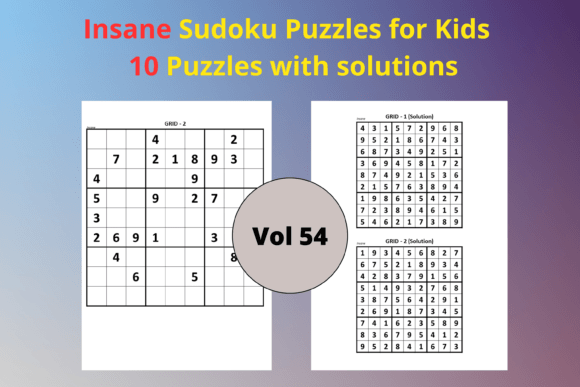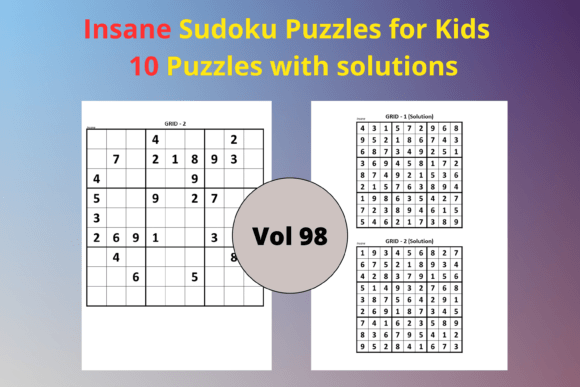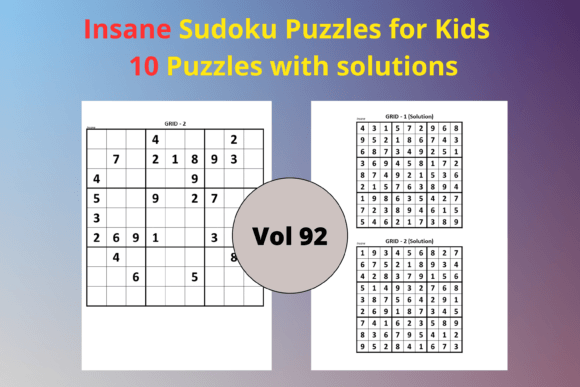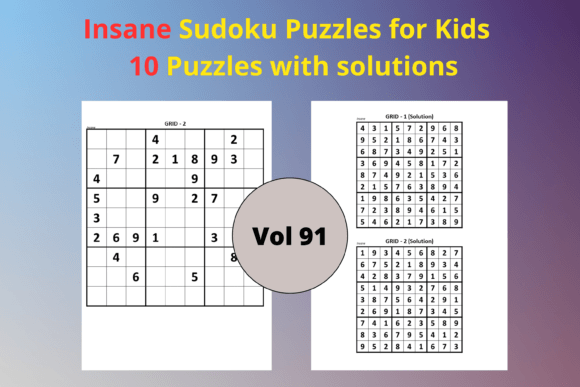
Easy Sudoku for Kids 2: 10 Bright 6x6 Puzzles for Instant Book Interiors
When you’re building a low‑content or activity book for children, the interior pages either make the project feel polished and professional—or they scream “clip art mess.” Easy Sudoku for Kids 2 lands squarely in the first camp. It’s not just a collection of puzzles; it’s a ready‑to‑upload interior file that saves hours of layout work and gives young solvers a clean, engaging grid they can actually read.
In this pack you get 10 unique 6×6 sudoku puzzles and 10 matching solutions, all set at an easy difficulty that doesn’t overwhelm beginners. The download includes a print‑ready PDF and an editable PPTX, so you can tweak colors, add a logo, or sprinkle in your own brand mascot without rebuilding anything from scratch. Every page is sized at 8.5 x 11 inches—the universal format for Amazon KDP, printable Etsy products, and at‑home crafting.
What Makes This Puzzle Pack Stand Out
Many sudoku interiors for kids either pack too many puzzles onto one cramped page or use fussy clip‑art that distracts from the numbers. Easy Sudoku for Kids 2 takes a quieter, more thoughtful approach. The 6×6 grids feature generously spaced cells, chunky numerals, and a soft, border‑balanced structure that guides little eyes from left to right without any visual noise. Think of it as the typographic equivalent of a rounded sans‑serif—friendly, approachable, and impossible to misread.
The personality of the pack lives in its restraint. There are no cartoon explosions or trend‑driven color palettes that date quickly. Instead, bold gridlines and cue‑sized solution numbers create a gentle authority that says, “You can solve this.” That kind of design confidence helps children feel capable the moment they open the book—which is exactly what you want when parents and teachers browse your content.
Where Easy Sudoku for Kids 2 Works Hardest
This interior fits naturally into projects where clear communication matters more than visual fireworks. If you publish KDP activity books, this pack can become the core of a “My First Sudoku” volume, a travel workbook, or a summer brain‑booster. Because the puzzles are 6×6 and genuinely easy, the age range stretches from about 5 to 8—though older kids who build confidence slowly will benefit, too.
Beyond book interiors, the editable PPTX opens doors for marketers, bloggers, and small‑business owners who want to offer free printables. A children’s clothing boutique might bundle a few puzzles into a “rainy day” email series. A family‑friendly café could print single sheets as tabletop activities. Educational content creators can drop a sudoku page into a larger packet without worrying about inconsistent styles—the puzzles already look like they belong in a cohesive set.
Even crafters and hobbyists find a place for it. Party planners can print solutions on the back of favor tags; homeschool parents can laminate pages for dry‑erase centers. Because the design is so neutral, you can dress it up with your own canopy of illustrations or leave it bare‑bones for a minimalist, Montessori‑inspired feel.
Building Readability and Trust Through Grid Design
Good puzzle design is as much about what you leave out as what you include. Easy Sudoku for Kids 2 keeps the visual hierarchy simple: first you notice the bold outer border of each mini‑grid, then the 2×3 blocks, then the individual cells, and finally the number inside. That progression teaches young solvers how to scan a puzzle efficiently. No wandering eye, no skipped boxes.
This readability doesn’t just make the puzzle easier—it builds brand perception. When a customer flips through a Look Inside on Amazon and sees a sudoku page that looks calm and legible, they instantly trust the rest of the book. Consistency matters, too. All ten puzzles follow the identical layout logic, so once a child understands the flow, they can whiz through the whole book. That repeatable experience is what turns a one‑time buyer into someone who looks for your name on future interiors.
For publishers who layer multiple activity types in one book, the stable grid structure acts like a visual anchor. You can insert coloring pages, mazes, or dot‑to‑dots before and after each sudoku and never worry that the spread will feel jarring. The puzzles provide a rhythmic, predictable beat that holds the book together.
Practical Ways to Tailor the Pack to Your Project
Before you hit “upload,” it’s smart to test how Easy Sudoku for Kids 2 fits your specific audience. Open the PPTX and ask yourself a few questions:
- Does the number weight feel right? The built‑in numerals are intentionally heavy and rounded, but you can swap the typeface in PowerPoint if your brand uses a specific handwriting‑style font.
- Could the margins use more breathing room? The 8.5 x 11 canvas leaves enough space for three‑hole punches or spiral binding, but always run a test print.
- Will you pair this with letters or icons? Some creators like to replace the standard “missing numbers” approach with small animal cut‑outs inside cells. Because the grid lines are so clean, graphic overlays look sharp instead of cluttered.
If you plan to sell the puzzles commercially—on KDP, Etsy, or your own site—you don’t need an extended license. The standard commercial terms cover printed products and digital downloads, as long as you aren’t reselling the source files as‑is. Always double‑check the included license file, but most publishers jump straight into production without a hitch.
Small Choices That Shape Customer Delight
Details that might seem minor in a Canva mockup suddenly matter when a seven‑year‑old works through a puzzle at the breakfast table. The solution pages in this pack, for instance, aren’t crammed into a microscopic answer key at the back. Each puzzle’s solution appears on its own dedicated page, printed at the same generous size as the blank grid. That means parents can hold up the answer page side‑by‑side with the puzzle—no squinting, no frustration. It’s a design decision born out of real‑world usability, and it quietly elevates the value of your book.
Another clever touch: the easy difficulty level uses just numbers 1 through 6, and the puzzle construction makes sure each block has obvious starting points. When a child finishes their first puzzle without help, that tiny success can hook them for the next nine. As a publisher, you’re selling more than paper; you’re selling that “I did it!” feeling. A well‑paced puzzle sequence is the engine behind that emotion.
From File to Finished Book: A Workflow Example
Let’s walk through a realistic scenario. Imagine you run a small publishing imprint that releases seasonal activity books. For a summer camp theme, you pair Easy Sudoku for Kids 2 with camping‑themed coloring borders you created in Procreate. Using the PPTX file, you add a faint pine tree illustration in the corner of each puzzle page, leaving the grid untouched. You drop a “This book belongs to” page up front, a completion certificate at the back, and within an afternoon you have a polished, 32‑page interior ready for KDP upload.
Your customers—parents looking for screen‑free airplane entertainment—see a book that feels hand‑curated, not cobbled together. The sudoku puzzles act as the backbone, giving the book a clear purpose. The solutions reassure parents that they won’t be stuck guessing. And because the puzzle pack’s layout is so consistent, you can reuse the same workflow for a camping, beach, and rainy‑day edition, swapping only the decorative frames. That’s the kind of asset that pays for itself many times over.
Why 6×6 Puzzles Hit the Sweet Spot
The classic 4×4 sudoku can feel babyish to some first‑ and second‑graders, while a full 9×9 grid often leads to abandoned pencils. Six‑by‑six grids occupy a perfect middle ground: they’re large enough to require real logic but small enough to solve in under ten minutes. This pack’s easy clue distribution means no candidate‑elimination techniques are necessary—just counting and simple “what’s missing?” reasoning. That sweet spot is exactly what teachers and parents search for when they type “easy sudoku for kids” into a marketplace.
For content creators, this format also works beautifully as a lead magnet. A single puzzle preview on a landing page can convert visitors into email subscribers. Because the design is clean and professional, the freebie acts as a sample of your brand’s quality, not a random throwaway.
Keeping Your Brand Consistent Across Platforms
If you plan to release multiple activity books, using the same underlying puzzle packs helps build visual brand recognition. Your covers might change, but the interior rhythm stays familiar. Easy Sudoku for Kids 2 works as a standalone purchase, but it’s part of a larger series you can grow into—sequels with more puzzles, holiday variations, or themed versions that still share the same grid DNA. Returning customers will unconsciously recognize the spacious, easy‑to‑read style, and that recognition breeds repeat sales.
On platforms like Etsy, where preview images dominate, consistency is even more critical. A thumbnail showing a crisp, uncluttered puzzle page tells buyers “this shop understands printable design.” Conversely, a cramped, busy grid can undermine even a well‑written product description. This pack’s design‑forward restraint gives you a powerful visual asset at the first point of contact.
Ultimately, Easy Sudoku for Kids 2 isn’t trying to be flashy. It’s trying to be functional, flexible, and quietly beautiful—exactly the qualities that make interiors sell. Whether you’re launching your first KDP low‑content book or expanding a lineup of educational printables, these ten puzzles and solutions offer a reliable foundation that respects both the child’s experience and the publisher’s need for speed.